While I may not be starting my blog out on a positive note with this particular evaluation, I’m excited to discuss a foreign subject for me: politicians. And, if you read my bio, you know that “wellness” to me includes mental health, which will be discussed here in the saddening topic of suicide.
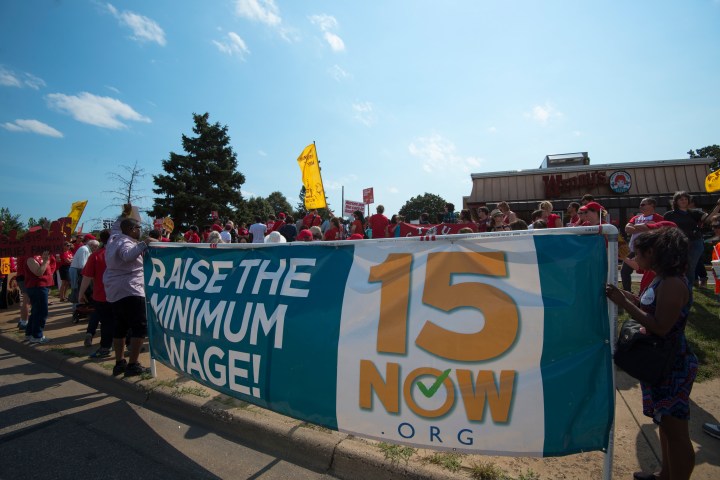
This month a study was released that researched the effects of minimum wage rates on suicide. According to this New York Times article, the study concluded that a $1 increase in minimum wage corresponded with a 3.5 to 6 percent decrease in suicide rates.
Wow. Seems crazy, right? Nothing has been proven, but the study seems pretty legit. And, it has sparked the already-prevalent discussion that federal minimum wage is too low.
While the study is super interesting (you can find the full report here), I want to unpack a couple responses from politicians that have come out of this — from a PR lens, of course!
The popular Bernie Sanders, senator of Vermont, tweeted “Raising the minimum wage by $1 could’ve prevented thousands of suicides a year. We will end the 40-year assault on the working class and the suffering it has caused for our people. Every job in America must pay a living wage of at least $15 an hour,” in response to an article by CNN on the study.
How does this effect Bernie’s image? Well, first we can state the obvious: it follows his liberal political agenda. He’s been pro raise-minimum-wage for a while now. In responding to this, he’s making the majority of his followers happy with this statement. And, of course, is getting a ton of backlash from the other political agenda in the comments under his post.
It makes him look educated on what’s going on in the world, which is definitely something a politician should be doing.
He sounds confident and determined.
Notice how he does not write, “an estimated thousands of suicides a year”? Because it really is just an estimate. But — and Bernie knows this — it’s more jarring to initially read his tweet and think, “1,000 lives? Really?! That’s terrible!” then to be interrupted by the word “estimate”. You may or may not consider that a little white lie, but it’s super common.
Bernie didn’t just write this out quickly and send it off to the world. He was strategic here.
One last interesting tidbit: the absence of a response from Bernie regarding the study would most likely raise questions from his tried-and-true followers. That is something that most people/organizations don’t have to deal with.
Another response came from the spokesman for Senator Mike Lee, who is conservative and has spoken out against raising minimum wage.
Lee’s spokesman, Conn Carroll, told the Washington Post that they had read the study differently: “Our reading was that the state minimum wage over the federal minimum wage is correlated with less suicide,” he said. “By this logic, if we raised the federal minimum wage while keeping state minimum wages constant, suicide would go up! Or, we could really reduce suicide by eliminating the federal minimum wage entirely thus creating a huge gap between state minimum wages and the federal one. These seem nonsenical.”
The article also notes that he refused to comment any more on the study.
This is a much different approach than Bernie Sanders. What is it doing for Lee and Carroll? The most obvious answer is that this statement follows their political agenda. There’s more to it, though.
Mike Lee didn’t actually comment on the situation himself. This shows a level of importance on the issue between the two politicians. Bernie went out of his way to comment on the issue; Lee had someone else do it.
The statement makes it sound like they have thoroughly read and analyzed the study, which is good. Like I said, it’s important to sound educated!
Additionally, Carroll does a couple things here that — while definitely not uncommon in the political world — may foster a negative image. First of all, he highlights that he does not agree with the conclusion of the researchers. Then, he refuses to answer more comments on the subject. Basically, they don’t believe the study nor do they want to talk about it.
Not only that, but the tone of the response sounds very flippant, which is not how people generally want to sound when discussing suicide.
However, if that is the image that Lee and Carroll are hoping to convey to the public, then they are deploying their PR skills to do so effectively.
After all this analyzing, can you see how important just one comment can be to the image of a person or organization? Through phrasing, word choice, and tone, one social media post or comment can say a whoooole lot — perhaps much more than you meant to say.
 Be Well