Things are changing in the fitness clothing industry. Women (for the most part, although we haven’t forgotten about you, boys!) are beginning to expect more inclusivity in their favorite activewear brands. Basically, we want to see more bodies being represented, because all different types of bodies wear athletic clothes. This includes having a wider range of sizes available and showing body-diverse models.
The first brand that comes to mind that has done this well is Fabletics. The brand had an advertising campaign recently that showed a video of a group of women of all shapes and ethnicities dancing and rocking out in their activewear, crop tops and all. Shoutout to Kate Hudson! Not only does she star in most of my favorite chick flicks from the early 2000’s, but she also co-founded this company. So, if you needed one more reason to love Kate, there you have it.
So, what will happen to brands who have not yet followed Fabletic’s lead? Well, it’s not a great public relations move to ignore these changes. Victoria’s Secret, for example, has fallen behind and is paying big time for it.
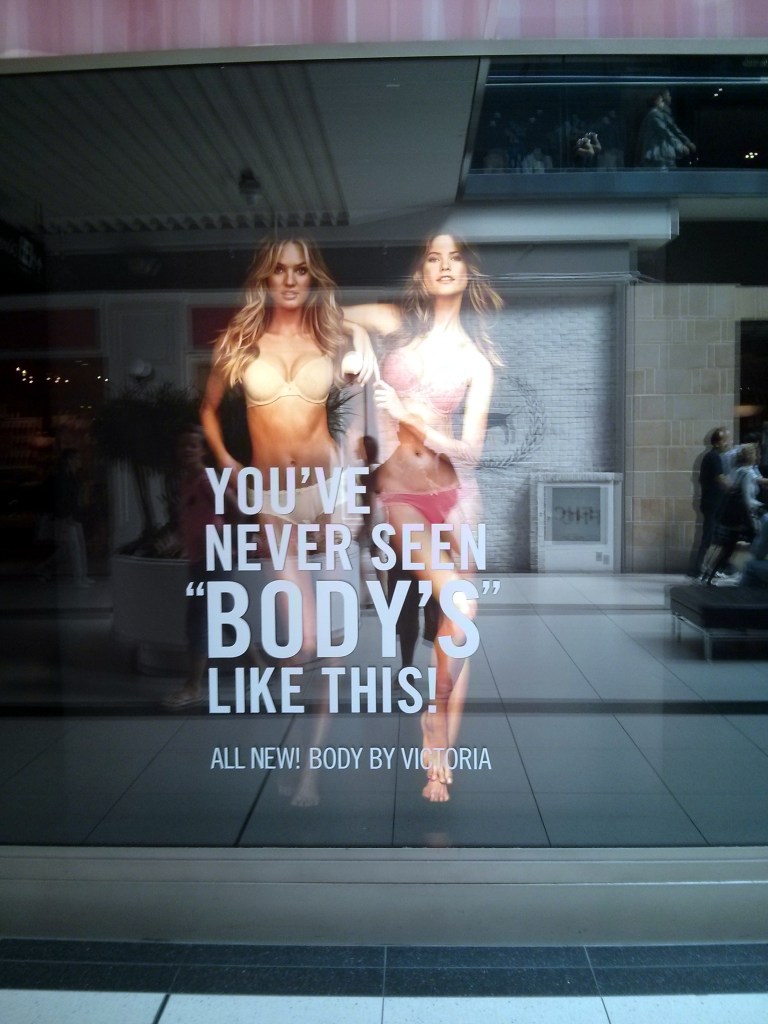
Side note: did anyone else notice the terrible grammar mistake on this sign??
Aside from their apparent issues with punctuation, Victoria’s Secret is the perfect example of a brand that has stuck to the old ways of size triple-zero supermodels and has subsequently lost many customers because of it. Their stocks have fallen, and they’ve lost so much of their gusto that they called off their famous fashion show last year.
People are starting to notice other brands who haven’t caught up to speed yet, either. I actually overheard a couple women talking about Lululemon the other day and how disappointed they are that the brand doesn’t show more body diversity in its’ models and advertising campaigns.
The truth is, if athletic-wear companies don’t want to fall down the same hole as Victoria’s Secret, then they need some serious changes to their branding. Their PR teams need to start promoting acceptance of all body sizes, because the unrealistic expectations of women’s body types just isn’t cool anymore.
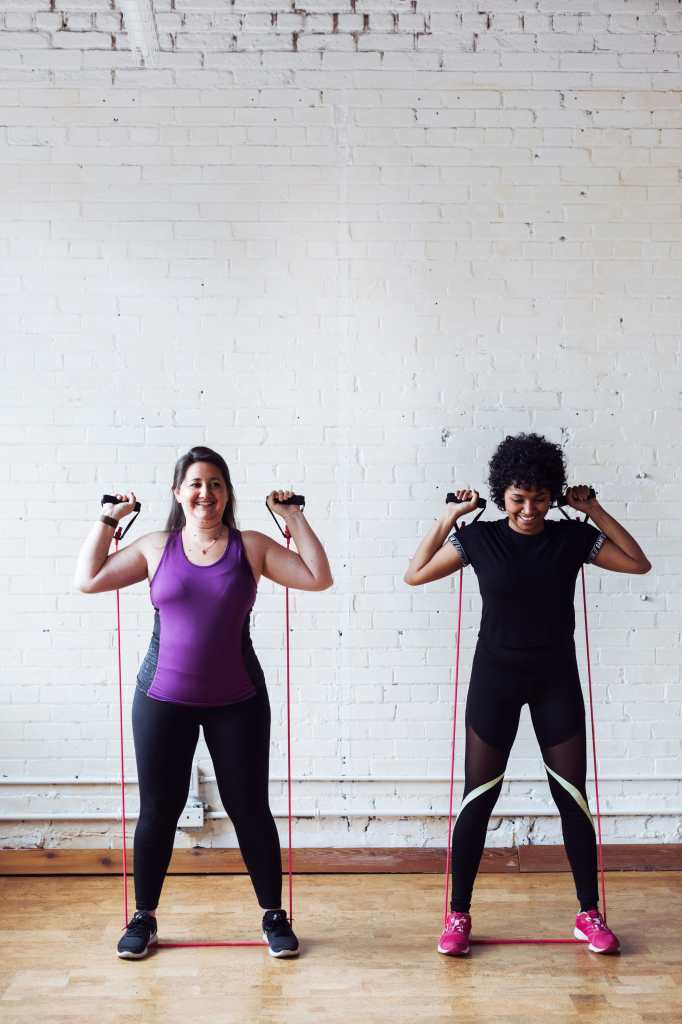
How would a PR team do this?
- You’ve got to convince the whole company that this is necessary to its growth. Without a change in models and advertising, the rest of these steps will just make the company look like they’re halfheartedly trying to fit in — and consumers notice that.
- Start a campaign on social media that showcases your inclusivity. Post pictures of models with all kinds of bodies. Tell stories from customers who love the brand because of its diversity. Don’t forget: a good story can go a long way.
- Have a press release describing your changes. There’s no need to do this silently — let consumers know that you’re making big waves!
- Write pitches about your new brand to reporters. Specifically, you want to choose reporters who have shown an interest in clothing brands or diversity.
While I whole-heartedly believe in the importance of a healthy lifestyle, even I can’t say that I will ever look like one of those models. It’s simply unattainable for the majority of people. And, a brand wants the majority of people to buy their products, in comparison to its competitors. Make those people feel more welcome and accepted, and boom goes the dynamite. You’ve just upped your game, raised your profits, and became a bigger competitor.
 Be Well